 Inloggen

 Inloggen
 15 juni 2021
Arts en Rode Kruis pleiten voor jaarlijkse reanimatiecursus voor amateursporters: ‘Kan leven teamgenoot redden’
Alle amateursporters moeten elk jaar een reanimatiecursus doen. Die oproep doet huisarts in opleiding Bernard Leenstra na het incident met Christian Eriksen: “Het maakt het verschil tussen leven en dood.” Hij krijgt bijval van het Rode Kruis.
Het aantal dodelijke slachtoffers door een hartstilstand neemt volgens Leenstra flink af als meer sporters kunnen reanimeren. “Het is niet helemaal precies te zeggen, maar we rekenen in Nederland ongeveer 43 reanimaties per dag”, zegt de arts. “Dat is heel veel.”
Hartstilstand Eriksen
Sinds voetballer Christian Eriksen zaterdag tijdens de EK-wedstrijd tussen Denemarken en Zweden door een hartstilstand in elkaar zakte, is er gesproken over het handelen van het medisch personeel. “Het is ontzettend goed gedaan”, vindt Leenstra. “De artsen kwamen snel ter plaatse en hij heeft nog bij bewustzijn het veld kunnen verlaten.”
Leenstra ‘schrok zich wezenloos’ toen hij het zag gebeuren. En dat is niet gek. In 2017 zagen we dat het voor een andere topvoetballer, Ajax-speler Abdelhak Nouri, dramatisch afliep. Tijdens een oefenduel kreeg hij een hartstilstand, maar hulp kwam voor hem te laat. Hij raakte in een coma en zijn hersenfuncties raakten onherstelbaar beschadigd.
Allesbepalende eerste minuten
“De eerste paar minuten na de hartstilstand bepalen alles”, legt de arts uit. Na 3 tot 4 minuten dat er geen bloed meer naar de hersenen wordt gepompt, raakt iemand al hersendood. “Bij 6 minuten is iemand zo hersendood dat diegene al niet meer zal leven. Dus je moet er echt heel snel bij zijn.”
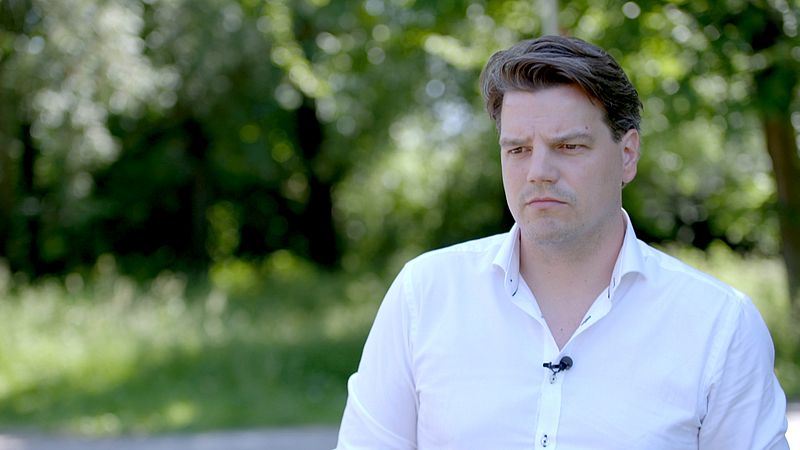
Daarom vindt Leenstra dat er meer bewustwording moet komen voor levensreddend handelen, zeker waar wordt gesport. “Als je één training in het jaar inwisselt voor een EHBO-cursus; dat maakt het verschil tussen leven en dood. Je bent soms plots zo afhankelijk van je teamgenoten en het kan echt fout aflopen.”
Belang van reanimeren
De oproep van de arts wordt van harte ondersteund door het Rode Kruis, dat zelf al jaren bezig is aandacht te vragen voor het belang van reanimeren. Vandaag zijn ze een campagne via Instagram gestart, genaamd ‘Life Saving Stories’. Met de campagne hoopt de organisatie ook meer jongeren bewust te maken van de ernst ervan.
Volgens de Hartstichting is het bij meer dan 75 procent van de gevallen van een hartstilstand de omstander die al begint met reanimeren, nog voordat er ambulance er is. De helft van de keren is het ook de omstander die een AED aansluit; een apparaat dat het hartritme weer kan herstellen door het geven van een elektrische schok.
‘Zij heeft mijn leven gered’
Het is ook de redding geweest voor Cor Ruiten; een fitte 72-jarige man zonder gezondheidsklachten. Afgelopen december viel hij plotseling voorover tijdens het fietsen. Een vrouw die het zag gebeuren, begon om hulp te roepen, vertelt hij. Al kan hij zich er zelf niets van herinneren.
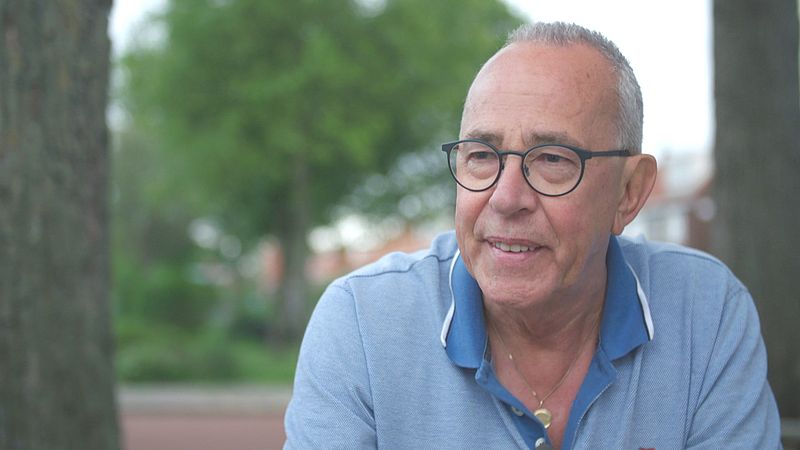
Omdat het nogal stil op straat was, belde de vrouw snel bij het eerste de beste huis aan. Een vrouw deed daar de deur open, belde 112 en is meteen begonnen met reanimeren. “Als zij er niet was geweest, had ik het niet overleefd”, zegt Cor. “Zij heeft echt mijn leven gered.”
Hartstilstand bij jongeren
Een hartstilstand komt met name bij oudere mensen voor; de gemiddelde leeftijd is 67 jaar en 70 procent van hen is man. “Bij kinderen komt het niet zoveel voor”, zegt ook Leenstra. “Maar je ziet het toch ook bij jongeren gebeuren.” Zelf heeft hij 3 jaar geleden nog een 12-jarige jongen moeten reanimeren. Het liep goed af. “Hij voetbalt gelukkig weer.”
De arts geeft daarmee nog maar eens het belang van reanimatie aan: “Zet nu één zo’n training om naar een cursus levensreddend handelen.” En het advies is om dat elk jaar te herhalen: “Het kan het leven van een teamgenoot redden.”
 03 juli 2025