 Inloggen
 Inloggen
 29 januari 2019
 De traumakamer
Bijna elk ziekenhuis heeft er één of zelfs meerdere, voor veel dokters is het interessant maar voor patiënten een plek waar je liever niet komt: de traumakamer. Hoe kom je daar nou precies terecht? Wat gebeurt er met je op deze kamer? En wie is er allemaal betrokken bij de opvang van een trauma-patiënt?
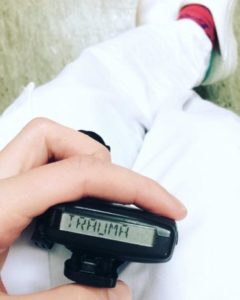
*** PIEP PIEP PIEP ***. Het harde, schelle en vooral niet te missen alarm van mijn pieper gaat af en op het scherm verschijnt in grote letters het woord ‘TRAUMA’. Dit betekent dat beneden op de Spoedeisende Hulp het traumasein is uitgezet en er een zwaargewonde patiënt onderweg is naar het ziekenhuis. Ik weet dat samen met mij en de chirurgen, ik loop coschap op de afdeling traumachirurgie, ook collega’s van onder andere de anesthesie en radiologie zijn opgeroepen en hun andere taken direct naast zich neer moeten leggen. Zij vormen allemaal onderdeel van het traumateam en zullen zich ook naar de traumakamer snellen om de patiënt op te vangen. Daar aangekomen vertelt de SEH verpleegkundige kort de situatie; ‘Man, 35 jaar oud, val van steiger met mogelijk hersenletsel en meerdere botbreuken. Het Mobiel Medisch Team is per helikopter ter plaatse gekomen en heeft de ambulance geassisteerd. De aanrijtijd is 5 minuten’. De plastic schorten en handschoenen worden aangedaan en via stickers met naam en functie wordt duidelijk gemaakt wie welke taak heeft. Het plan wordt voor de tweede keer doorgenomen als de SEH verpleegkundige roept ‘de patiënt is er!’ en deze door meerdere ambulancebroeders en een helikopter arts wordt binnengereden. Het is druk op de traumakamer, maar we gaan direct van start onder het motto ‘treat first what kills first’…
Hierboven wordt aangegeven wat er gebeurt vóór een patiënt op de traumakamer terecht komt. Echter, dat is pas het begin. Zodra de patiënt op tafel ligt zal hij of zij van top tot teen worden onderzocht volgens het Advanced Trauma Life Support (ATLS) protocol. Ieder lid van het traumateam heeft daarbij zijn eigen taak. De traumachirurg heeft vaak de leiding en zorgt voor overzicht, de anesthesist is verantwoordelijk voor het in stand houden van de vitale functies (ademhaling, bloeddruk, hartritme), de neuroloog kijkt of er letsel is van bijvoorbeeld het ruggenmerg en de hersenen en de radioloog zorgt voor de röntgen-, echo- en/of CT-beelden. Via een vaste systematiek wordt de patiënt nagekeken om zo de meest levensbedreigende letsels als eerst op te sporen en gelijk te behandelen. Er wordt o.a. bloed afgenomen en de patiënt krijgt een infuus voor medicatie (bijvoorbeeld pijnstilling) en vocht. Naast lichamelijk onderzoek worden er röntgenfoto’s gemaakt om breuken om te sporen, een echo om bloed of vocht te detecteren en soms een CT om te kijken of er elders in het lichaam letsel is. Afhankelijk van wat gevonden wordt kan direct worden ingegrepen: als de patiënt moeite heeft met ademen wordt hij of zij geïntubeerd, bij bloed of vocht in de borstholte wordt een drain ingebracht, botbreuken kunnen worden gereponeerd en bij veel bloedverlies kan er een transfusie worden gegeven. Alleen in zeer ernstige gevallen zal de patiënt daadwerkelijk op de traumakamer geopereerd worden.
Pas als de patiënt stabiel (genoeg) is en het belangrijkste letsel in kaart is gebracht kan hij of zij van de traumakamer af naar bijvoorbeeld de operatiekamer. Daar worden operaties uitgevoerd om o.a. botbreuken recht te zetten, bloedingen te stelpen en soms zelfs de druk in de hersenen te verminderen. Uiteindelijk gaat de patiënt naar de Intensive Care om goed gemonitord en verder behandeld te worden. Dit traject duurt voor de ene patiënt langer dan voor de ander en sommige patiënten overleven het ondanks alle moeite helaas toch niet… Echter, het doel is uiteindelijk voor iedereen hetzelfde: de patiënt zo gezond mogelijk terug naar huis sturen!
De traumawereld is bijzonder. Het zet je met beide benen op de grond, laat je zien hoe kwetsbaar je bent en dat een ongeluk in een klein hoekje kan zitten. Toch blijf ik het fascinerend en spannend vinden en mooi om te zien dat iedereen, zowel binnen als buiten het ziekenhuis, zo goed mogelijk samenwerkt om zo een mensenleven te kunnen redden.
 03 juli 2025